2026-10-31 · David Ramirez
Mold Removal After Hurricane Season in Fort Myers
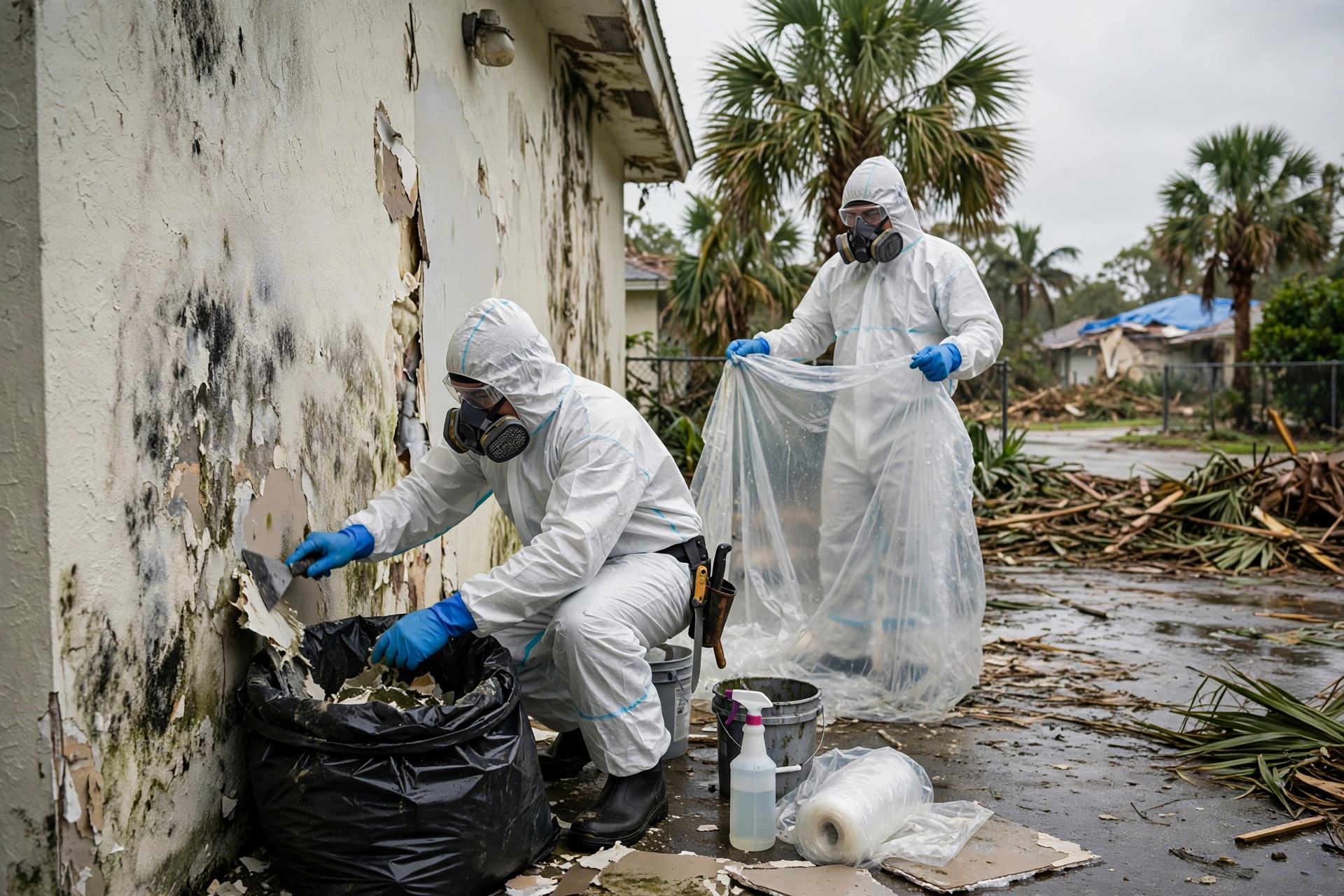
After hurricane season in Fort Myers, mold removal starts with inspection and containment within 24 to 48 hours of water intrusion to stop growth fueled by the tropical savanna climate's high humidity. Homes in older sections of Downtown Fort Myers and McGregor often feature wood framing and crawl spaces that trap moisture from storm surges, while properties near the Edison and Ford Winter Estates or Centennial Park face similar issues from prolonged dampness. Lee County residents in Cape Coral, Estero, and Bonita Springs see the same pattern after heavy rains. Acting quickly prevents spores from spreading through HVAC systems common in these neighborhoods.
Immediate Response to Post-Hurricane Moisture
Hurricane-driven flooding leaves standing water that penetrates foundations and walls in Fort Myers homes built before modern codes. In neighborhoods like the River District, older structures with slab-on-grade construction allow moisture to wick upward, creating hidden colonies within days. The warm winters here keep temperatures ideal for growth even after the storm passes. Homeowners should document damage, shut off power if safe, and contact professionals for extraction before attempting DIY drying. Post-flood mold treatment addresses these exact conditions by targeting saturated materials that standard fans cannot reach. Delaying removal allows black mold to establish in drywall and insulation common to McGregor properties.
Mold Patterns in Local Housing Stock
Fort Myers housing stock from the 1960s through 1990s in areas such as Cape Coral often lacks proper vapor barriers, making crawl spaces and attics prime locations for post-storm mold. The hot humid summers accelerate spore reproduction once water enters through roof leaks or window failures around Centennial Park residences. Concrete block construction prevalent in Lee County retains moisture longer than wood, requiring targeted drying equipment. Checking for musty odors near baseboards or discoloration on ceilings provides early signs. How to check for mold in Fort Myers crawl spaces offers targeted steps for these older builds. Warm winter temperatures mean growth continues year-round rather than pausing seasonally.
Remediation Steps for Affected Properties
Professional teams begin with containment barriers and HEPA filtration to protect unaffected areas in Fort Myers homes. Removal of porous materials like carpet and drywall follows, followed by antimicrobial treatment on remaining surfaces. In River District properties, crews often address HVAC ducts where spores travel during power outages. Mold remediation protocols account for the county's high water table, which keeps soil damp and slows natural drying. Multiple visits over several days ensure hidden moisture in wall cavities is eliminated. Homeowners in Estero and Bonita Springs benefit from the same sequenced approach after major storms.
Cost Influences and Prevention Measures
Factors affecting mold removal costs around Fort Myers include square footage affected, material types, and access to hidden areas in older Lee County homes. What influences mold removal costs around Fort Myers breaks down variables like extent of flooding from hurricanes. After remediation, improving ventilation and grading soil away from foundations helps in McGregor and Downtown Fort Myers. Regular checks after future storms prevent recurrence in the region's consistent humidity. 24/7 emergency service available supports rapid response when water recedes.